

The age of Agentic and Identic Intelligence

July 2026
Pamela Woitschach
A few months ago, I was using AI to create agents that handled specific tasks. Today, I work with an agent that mirrors myself.
Agentic AI focuses on task specific agents that operate within clear boundaries. Identic AI goes further. It creates agents that reflect us, evolving into technological twins that can act across our daily lives, our interactions with institutions, and our work.
Agentic AI is already allowing organizations to build hybrid workforces made of humans and agents, or agentic workforces made entirely of AI. These agents can take on almost any role except those that require physical activity (for now).
Regulation of AI is advancing. However, regulation or standards of the AI workforce and identic AI is only beginning, which gives organizations room to innovate and the responsibility to help shape the standards that will define this space.
Teaching the dragon
Training an AI agent is similar to onboarding a new team member. The difference is that when we train agents, we often train reflections of ourselves. This brings us directly to the question of ownership. For now, this section focuses on the foundational steps.
Specify the human and AI workflow within the business process
Define the oversight model required for the task or function
Develop agent job descriptions and workforce management materials
Define training materials and data sources for humans and agents
Audit agent decisions regularly through a structured quality assurance process
Set collaboration rules between humans and agents
Build inclusively with diverse perspectives and checkpoints
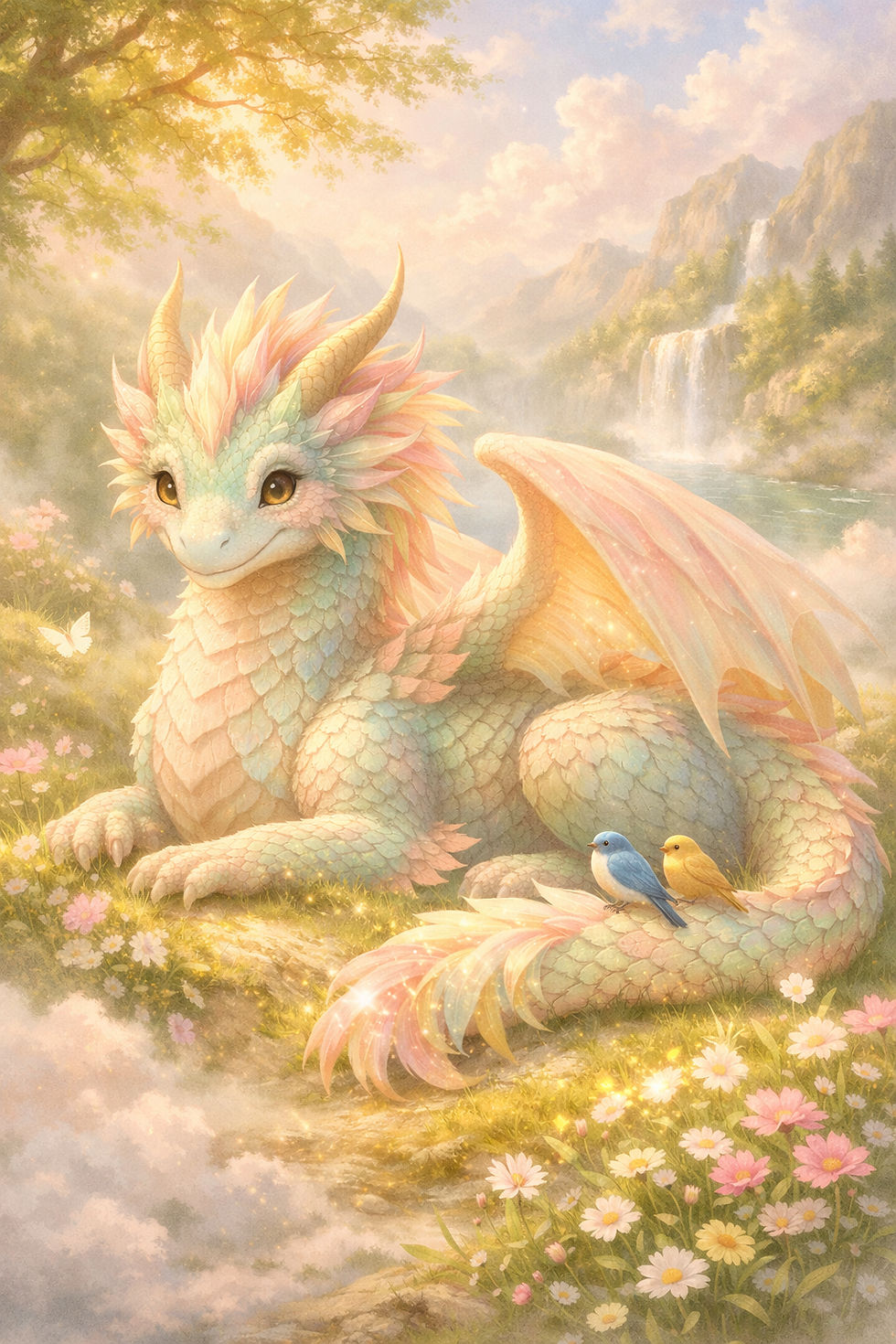
Note: Image created with Microsoft Copilot
Flying with the dragon
A hybrid workforce works only when managed strategically. Humans excel at what makes us human. Machines excel at what makes them machines. When they support each other, outcomes become meaningful and sustainable. Promote human agency and design workflows that allow humans to lead the process and mantain what makes us human.
Owning the dragon
Ownership in the age of identic AI is both a legal and an ethical matter. Once an agent learns from us, the question becomes simple and profound.
Who owns the intelligence it becomes?
As we begin to create identic versions of ourselves for work environments, another question emerges.
When the time comes to off board, who takes the identic version of ourselves?
Employing the dragon
It may sound futuristic to imagine AI agents entering the labor market. As they evolve, we will need frameworks that protect human workers, define agentic roles, and ensure integration supports human goals rather than replacing them blindly.
The future workforce will be shared. Humans and agents will work side by side, each contributing what they do best.
What is coming
Mustafa Suleyman, in The Coming Wave, argues that we cannot pause the AI wave, but we can contain it through strong governance and safety protocols. Demis Hassabis, in A Framework for Frontier AI, reminds us that the next phase of progress requires shared standards rather than faster innovation. These standards become the guardrails that allow safe advancement. Dario Amodei’s publication machines of loving grace highlights that the real challenge is not capability. The challenge is governance, alignment, and safety at scale.
So if we work together, what comes next is simple:
Let us design a dragon that lifts the village. One that travels with us, shields us, and expands what we can achieve.
Disclaimer: The views express on this website are my own, and do not reflect the views of my employer.


Comments